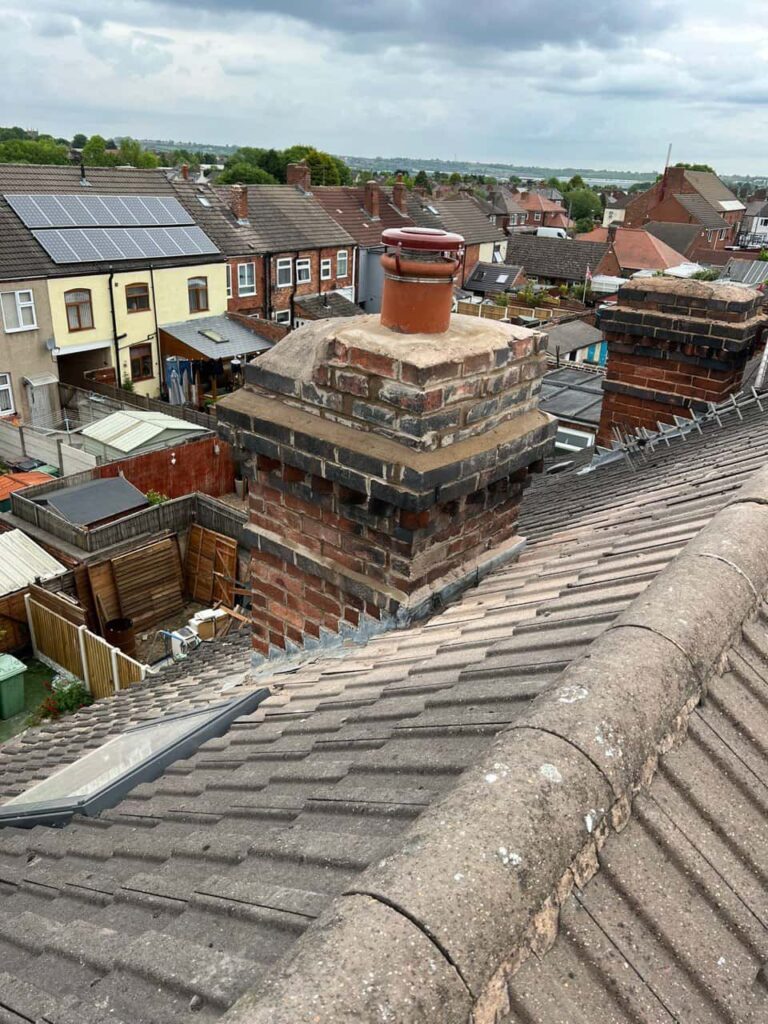
A roof is designed to provide long-term protection, but its lifespan is influenced heavily by how well it is cared for over time. While major repairs and replacements play a role, everyday habits and routine attention often make the biggest difference. By adopting a few simple practices, homeowners in Braunstone can help their roofs perform reliably for longer and avoid unnecessary deterioration.
At Braunstone Roofing Repairs, many roofing issues are found to be preventable with consistent, sensible care.
Carry Out Regular Visual Checks
One of the simplest habits is to look over your roof periodically, particularly after periods of heavy rain or strong winds. From ground level, it is often possible to spot slipped tiles, uneven lines, or debris build-up.
Catching small changes early allows issues to be addressed before they develop into more serious problems that affect the roof’s structure or weather resistance.
Keep Gutters and Drainage Clear
Effective drainage is essential for roof longevity. When gutters or downpipes become blocked, water can back up and overflow onto roofing materials and walls.
Making a habit of keeping gutters clear helps water flow away from the roof as intended, reducing prolonged moisture exposure that can accelerate wear.
Watch for Changes Inside the Property
Roof care does not stop at the exterior. Subtle signs inside the home, such as faint damp marks, changes in ceiling appearance, or musty smells in the roof space, can indicate early roof issues.
Paying attention to these signs allows problems to be investigated promptly, often before visible external damage appears.
Address Minor Issues Without Delay
Small roofing issues rarely resolve themselves. A single cracked tile or loose flashing can quickly lead to water ingress if ignored.
Developing the habit of addressing minor defects promptly helps prevent moisture from reaching vulnerable areas beneath the roof covering.
Manage Moss and Debris Build-Up
Moss, leaves, and debris can trap moisture against the roof surface. Over time, this prevents materials from drying properly and contributes to gradual deterioration.
Keeping the roof surface reasonably clear supports natural drying and helps roofing materials maintain their integrity.
Ensure Adequate Roof Ventilation
Good ventilation allows warm, moist air to escape from the roof space, reducing condensation that can affect timbers and insulation.
While ventilation systems are often installed during construction, ensuring they remain unobstructed is an important habit that supports long-term roof health.
Schedule Periodic Professional Inspections
Even with good habits in place, professional inspections provide reassurance. Experienced roofers can identify early signs of wear or structural stress that may not be obvious to homeowners.
Regular professional assessments help ensure the roof continues to perform as intended and that maintenance is prioritised effectively.
Why Simple Habits Make a Big Difference
Roofs tend to deteriorate gradually rather than suddenly. Simple, consistent habits reduce the cumulative impact of weather exposure and everyday wear.
In Braunstone, where roofs are exposed to seasonal changes throughout the year, these habits help protect roofing materials and support long-term performance.
Conclusion
Extending the life of your roof often comes down to simple, proactive habits. Regular checks, effective drainage, early action on minor issues, and periodic professional inspections all play a vital role in maintaining roof condition.
For homeowners in Braunstone, Leicestershire, adopting these habits can significantly improve roof longevity and reliability. If you would like professional guidance or a thorough roof inspection, Braunstone Roofing Repairs can provide expert advice and dependable support to help keep your roof in excellent condition.
Call us on: 0116 216 5891
Click here to find out more about Braunstone Roofing Repairs
Click here to complete our contact form and see how we can help with your roofing needs.