A leaking roof can cause more than an inconvenience. If water enters a property, it can damage ceilings, walls, insulation and timber, while persistent damp may lead to further deterioration. Identifying the source of a leak early and arranging suitable roof leak repairs can help prevent a minor defect from becoming a more serious problem.
For homeowners in Braunstone, Leicestershire, understanding the common causes of roof leaks makes it easier to recognise warning signs and know when to seek professional assistance. Although some leaks are easy to notice, others develop gradually and may remain hidden until visible damage appears inside the property.
What Causes Roof Leaks?
Roof leaks can develop for several reasons, including damaged roofing materials, worn seals and drainage problems. Finding the actual cause is essential because water can travel beneath the roof covering before appearing inside the building.
Slipped, Cracked or Missing Roof Tiles
Roof tiles help direct rainwater away from the underlying roof structure. If tiles crack, slip out of position or become dislodged, gaps may allow water to penetrate the roof.
Wind, ageing materials and deterioration of fixings can all contribute to tile damage. Even when only a small section is affected, rainwater may reach the underlay or roof timbers.
Replacing damaged tiles and checking the surrounding area can help restore the roof’s protective covering and reduce the risk of recurring leaks.
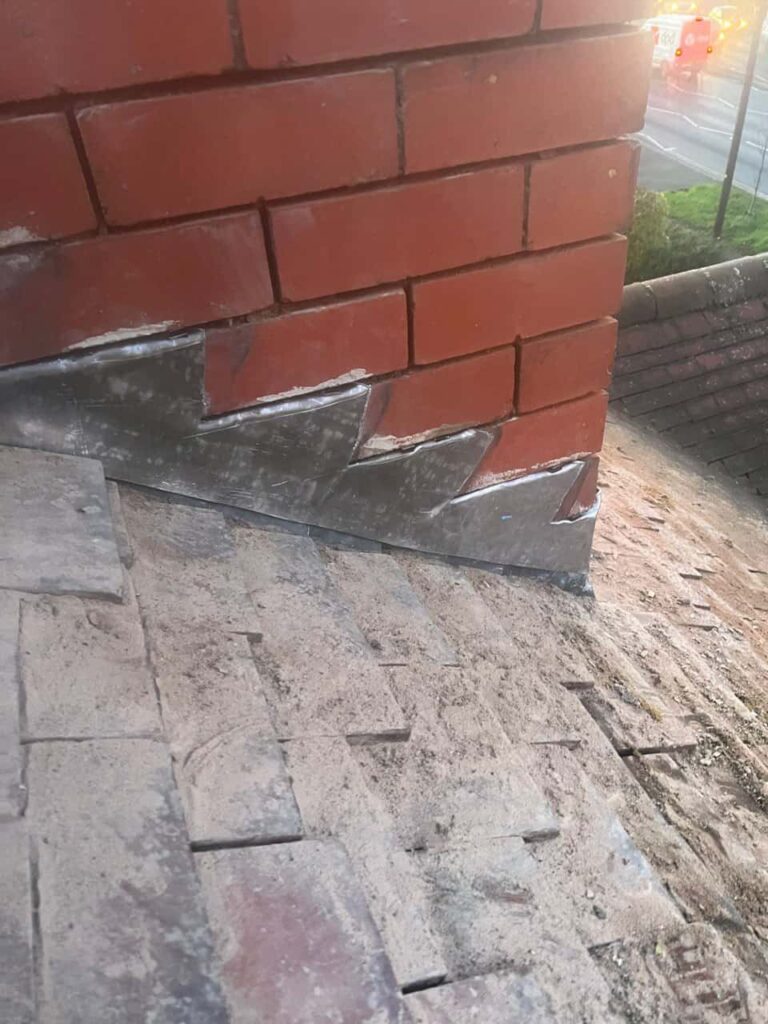
Damaged Roof Flashing
Flashing seals vulnerable junctions around chimneys, roof edges and adjoining walls. Over time, flashing can crack, loosen or separate from surrounding materials, creating openings where water can enter.
Leaks caused by defective flashing may be difficult to trace because the water can travel along internal surfaces before becoming visible. A professional inspection can help identify the affected junction and determine whether the flashing needs repair or replacement.
Blocked Gutters and Roof Drainage Problems
Gutters and downpipes carry rainwater away from the roof and building. When they become blocked with leaves, moss or other debris, water may overflow or collect near roof edges.
Poor drainage can contribute to damp around the roofline and may expose vulnerable joints to prolonged moisture. On flat roofs, blocked outlets or inadequate drainage can also lead to persistent standing water.
Keeping accessible gutters clear and investigating recurring drainage problems can help reduce the risk of water entering the property.
Worn or Damaged Flat Roofing
Flat roofs can develop cracks, splits, blisters or loose seams as the roofing materials age. Damage may occur around joints, roof edges and drainage outlets, where the waterproof covering is particularly important.
If water penetrates a damaged membrane or felt covering, it may affect the underlying decking and insulation. Prompt repairs can help limit further deterioration, although the correct solution depends on the roofing material and the extent of the damage.
Warning Signs That Your Roof May Be Leaking
A roof leak does not always begin with water dripping from the ceiling. Recognising the earlier signs can help you arrange an inspection before more extensive damage occurs.
Look out for:
- Brown or yellow stains on ceilings and upper walls.
- Peeling paint, bubbling plaster or damp patches.
- Drips or moisture appearing after rainfall.
- Musty smells in loft spaces or upper rooms.
- Damp insulation or visible moisture around roof timbers.
- Damaged tiles or loose roofing materials visible from the ground.
The location of an internal stain does not necessarily identify the point where water is entering. Rainwater can travel along beams, under roofing layers or around other components before reaching the ceiling.
If you notice these signs, avoid entering an unsafe loft or climbing onto the roof to investigate. A professional assessment can help locate the source more safely.
How to Prevent Further Roof Leak Damage
Although not every roofing problem can be prevented, regular maintenance can help identify defects before they become more serious.
Arrange periodic visual checks for slipped tiles, damaged flashing, blocked gutters and other obvious changes. After severe weather, inspect the roof from the ground for visible damage, but do not attempt to access a slippery or unstable roof.
Keep gutters and accessible drainage points clear of debris, and address minor roofing defects promptly. If a leak has already developed, protect belongings beneath the affected area where it is safe to do so. If water is near electrical fittings, avoid touching the affected area and seek appropriate assistance.
Temporary measures should not replace a proper repair. Applying an unsuitable sealant or covering a visible stain without identifying the source may allow the underlying problem to continue.
Why Professional Roof Leak Repairs Matter
Effective roof leak repairs begin with finding the source of the water ingress. Simply replacing a damaged tile or sealing a visible gap may not resolve the problem if water is entering through a nearby junction or if the underlying materials have also deteriorated.
Braunstone Roofing Repairs can assess roof leaks in Braunstone, Leicestershire, and identify suitable repair options based on the roof’s condition. Depending on the findings, work may involve replacing damaged tiles, repairing flashing, addressing flat roof defects or resolving drainage issues.
A thorough assessment helps ensure that repairs address the cause of the leak rather than only the visible symptoms. This can reduce the likelihood of recurring problems and help protect the building from further moisture damage.
Conclusion
Roof leaks can result from damaged tiles, defective flashing, blocked drainage or deteriorating flat roofing materials. Early warning signs, such as ceiling stains, damp patches and musty smells, should not be ignored, as water ingress can gradually affect other parts of the property.
For property owners in Braunstone, Leicestershire, regular maintenance and prompt professional attention can help limit damage and restore the roof’s protective function.
If you have noticed signs of a leaking roof, contact Braunstone Roofing Repairs to discuss your concerns and arrange a professional assessment.
Call us on: 0116 216 5891
Click here to find out more about Braunstone Roofing Repairs
Click here to complete our contact form and see how we can help with your roofing needs.